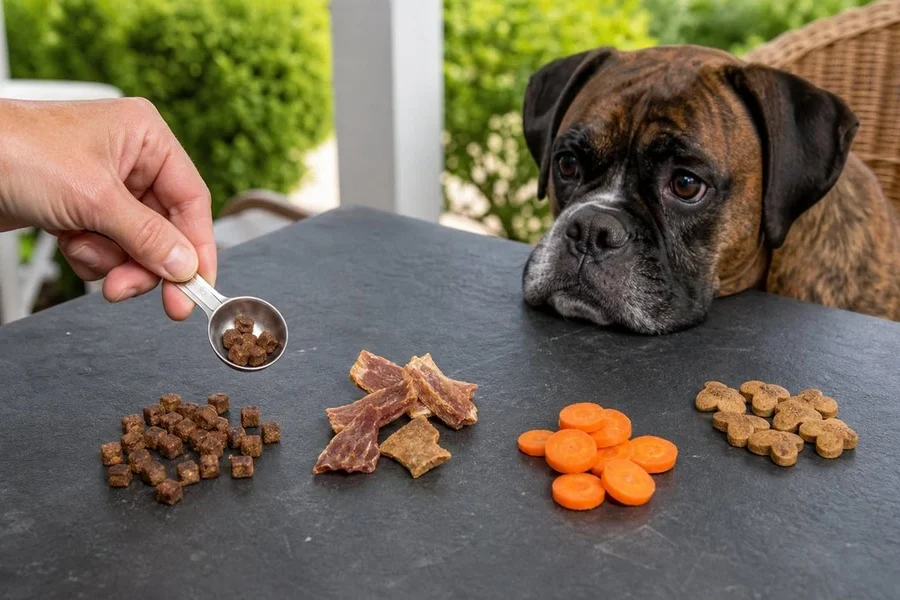

Dog treats are one of the most crowded categories in pet retail – the range of options from budget to premium, from single-ingredient to elaborately formulated, from domestic to imported, makes evaluation genuinely difficult. Understanding what actually matters when choosing treats simplifies the decision considerably.
Ingredient Quality First
dog treats worth buying list identifiable ingredients clearly. A named protein in the first position – ‘chicken,’ ‘beef,’ ‘salmon’ – is a better sign than generic ‘poultry’ or ‘animal digest.’ The further down the ingredient list that fillers and unnamed ingredients appear, the better.
The FDA’s pet food guidance requires that ingredients be listed in descending order by weight. The first three to five ingredients make up the bulk of the treat by weight, so that’s where scrutiny pays off most.
Matching the Treat to the Use
High-value treats (smelly, soft, novel ingredients) are most useful for challenging training contexts – new environments, competing distractions, difficult behaviors. Lower-value treats work well for maintenance behaviors the dog knows well. Using your highest-value treats for everything desensitizes the dog to them; saving them for genuinely challenging work preserves their motivational value.
Country of Origin
Treat sourcing matters because manufacturing standards vary significantly by country. The FDA has documented recalls and safety concerns associated with treats sourced from certain countries – checking country of origin and staying current on recall information is basic due diligence for any treat purchase.