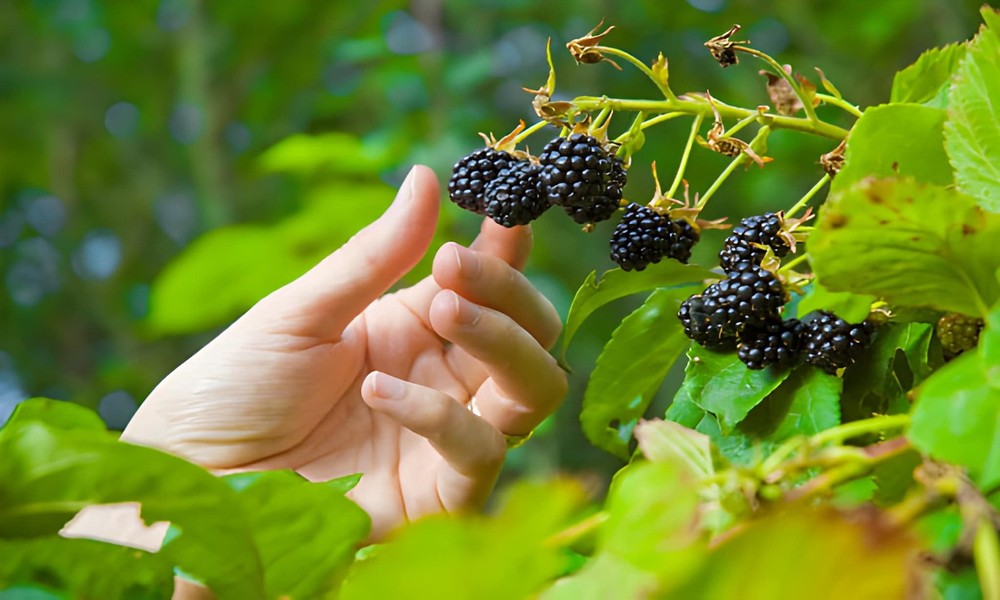

To tell you the truth, my first attempt at growing blackberries was a bit of a mess. Planted them, but I almost forgot about them, ended up with a tangled jungle, and maybe a handful of berries. Lesson learned. These plants need attention. But once you figure out what they actually want, then they reward you like crazy.
Starting Right
When I tried again properly, I started with better plants. Found The Plant Company online and spent too long browsing their berryfruit plants section. Difficult site to visit if you have impulse issues because you will feel like you need so many of their plants in your yard. What I liked about this company’s website was how easy they made it. Clear categories, decent photos, everything straightforward. Their berry fruit plants included thornless blackberries, which were exactly what I wanted. No more bleeding arms at harvest. Game changer.
Sun and Soil Basics
Right, so here is the thing. These plants need full sun. Six to eight hours minimum. Less sun equals less fruit. Simple.
Soil drainage is huge, too. They hate wet feet. If your ground stays soggy, you have problems. University of Maryland Extension recommends well-drained soil with organic matter. Clay soils are tricky. Raised beds help.
Soil pH must be between 6 and 6.5. Worth testing before planting.
Space and Support
Give them room. Three to five feet between plants lets air move and stops mould.
Here is something I learned the hard way. Thornless blackberries need support. Those canes flop everywhere otherwise. A trellis or fence works. Train canes up, keep them off the ground. Makes harvesting way easier, and the fruit stays cleaner.
Watering Smart
Consistent moisture matters, but don’t drown them. Deep water once a week. More during dry spells. Keep water off leaves. Wet leaves invite trouble. Water at the base. Morning works best.
Mulch helps. Straw, bark, whatever. Holds moisture, blocks weeds. Keep mulch away from the stem, though.
Feeding for Fruit
They are hungry plants. Balanced fertiliser in early spring gets them going. Too much nitrogen, though, and you will get leaves, no berries. Follow the label.
Another feed mid-season can boost the harvest. After fruiting, stop feeding. Let them rest.
Pruning Made Simple
This confuses people, but here are the basics. Canes live two years.
- First year they grow. Those are primocanes.
- In the second year, they bear fruit.
- After fruiting, those canes die. Cut them right out at ground level.
Keep the new canes that grew. Tie them up. They are next year’s fruiting canes. Do this in winter when dormant. Easier to see what is what.
Pest Watch
Keep an eye out. Aphids, cane borers, spider mites. Holes in leaves or curling tips are signs. Sometimes soapy water spray fixes them. Keep weeds down, too. They hide pests.
Clean up fallen leaves and old fruit. Don’t give bugs a reason to hang around.
The Payoff
Growing your own takes work. Cannot pretend otherwise. But when you are standing there in summer with a bowl full of perfect berries, no thorns, just sweet fruit you grew yourself, and then it is worth every bit of effort.