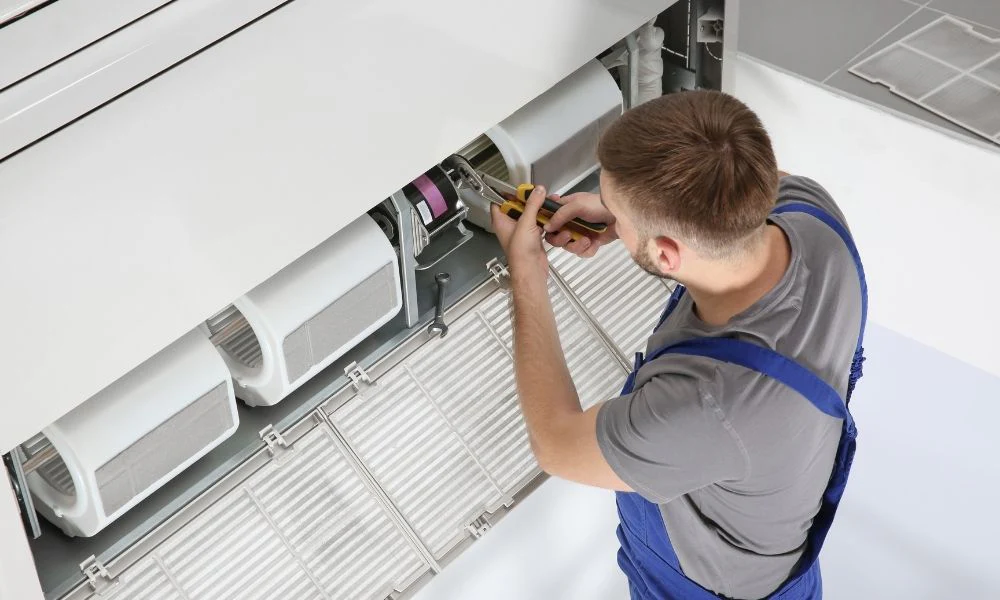

Living in High Springs means homes face warm temperatures, steady humidity, and long cooling seasons. These conditions place daily demand on heating and cooling systems. Small HVAC issues rarely stay small for long. Delayed action can affect comfort, efficiency, and indoor air quality. Homeowners benefit from early awareness of system behavior. Clear signs usually appear before major failures. Paying attention helps prevent unexpected breakdowns.
Local climate knowledge plays a major role in proper system care. Many residents look to Heating & Cooling Experts – High Springs for insight into regional HVAC demands. Systems here manage heat and moisture at the same time. Early evaluation helps avoid unnecessary wear on equipment. Professional input supports informed repair decisions. Clear guidance reduces stress during maintenance planning. This approach helps homes stay comfortable year-round.
Uneven Temperatures Across Living Spaces
Uneven temperatures signal airflow or balance problems within the system. Some rooms may feel warmer or cooler than others. Duct leaks disrupt consistent air delivery. Poor insulation adds to temperature variation. Thermostat placement affects system accuracy. Early correction restores even comfort throughout the home. Balanced airflow supports efficient performance.
Rising Energy Bills Without Explanation
Unexpected increases in energy bills suggest declining system efficiency. HVAC units may run longer to reach set temperatures. Dirty filters restrict airflow and raise energy use. Worn components reduce output quality. Calibration problems affect temperature control. Early inspection identifies the cause of excess usage. Timely fixes help stabilize monthly costs.
Excess Humidity and Indoor Discomfort
High Springs homes deal with persistent moisture levels indoors. HVAC systems play a key role in humidity control. Poor moisture balance causes sticky air and discomfort. Excess humidity affects furniture and wall surfaces. Drain line problems interfere with moisture removal. Vent and seal issues also contribute. Early attention improves comfort and air quality.
Strange Noises or Unusual Odors
Unusual sounds indicate mechanical stress inside the system. Rattling or buzzing points to loose parts. Odors may signal electrical or moisture issues. Dust buildup strains airflow pathways. Small warning signs grow worse without care. Professional evaluation prevents further damage. Quiet operation reflects proper system health.
Short Cycling and Frequent Restarts
Short cycling occurs when systems start and stop repeatedly. This pattern increases wear on components. Thermostat faults can trigger irregular cycling. Oversized units struggle to maintain stable output. Electrical issues affect timing and control. Early repair protects system lifespan. Stable operation improves efficiency and comfort.
Dirty Air Filters and Restricted Airflow
Air filters play a vital role in HVAC performance. Clogged filters reduce airflow across the system. Restricted air movement forces equipment to work harder. This strain lowers efficiency and raises energy use. Dust buildup also affects indoor air quality. Regular filter checks help maintain steady performance. Clean airflow supports comfort and system longevity.
Delayed Heating or Cooling Response
Slow response suggests declining HVAC performance. Systems may struggle to reach desired settings. Refrigerant levels affect cooling strength. Heat exchange parts lose effectiveness over time. Airflow restrictions limit output. Heating & Cooling Experts – High Springs can assess these issues accurately. Early service restores proper system response.
HVAC concerns in High Springs deserve attention before problems escalate. Uneven temperatures and rising energy costs signal early inefficiency. Humidity issues affect comfort and indoor air quality. Noises and short cycling reflect internal strain. Slow response points to deeper system wear. Professional guidance supports smart maintenance choices. Proactive care keeps homes comfortable and systems reliable.