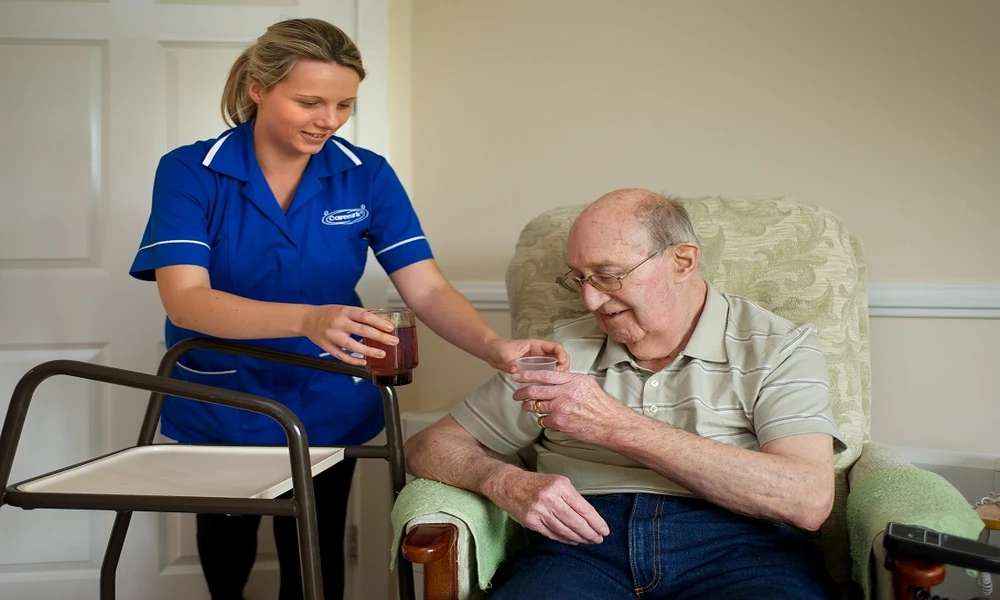

As people grow older, changes in physical health, mobility and energy levels can influence their ability to manage everyday activities. Tasks that were once straightforward may gradually become more demanding, leading individuals and their families to reconsider how daily responsibilities are managed.
However, needing additional assistance does not necessarily mean someone should stop participating in the activities that have shaped their life.
An enabling approach to professional home care recognises the importance of preserving existing abilities, encouraging meaningful participation and supporting personal confidence wherever possible.
Rather than focusing exclusively on completing tasks for someone, this approach considers how appropriate assistance can help individuals remain actively involved in their own lives.
For an ageing population, this distinction is becoming increasingly important.
Moving Beyond Traditional Perceptions of Care
Professional care is sometimes viewed primarily as a service that completes tasks an individual can no longer manage independently.
Although this practical assistance is essential for many people, effective care can also involve identifying abilities that remain and creating opportunities to maintain them.
An older person who struggles to prepare a complete meal may still enjoy choosing ingredients or helping with simpler aspects of preparation.
Someone who finds household responsibilities physically demanding may remain capable of deciding how their living environment is organised.
These opportunities for participation can contribute to a person’s sense of involvement and achievement.
An enabling approach avoids making unnecessary assumptions about someone’s capabilities simply because they require assistance in particular areas.
Why Everyday Achievements Matter
The significance of everyday accomplishments can easily be overlooked.
Preparing breakfast, choosing clothing, organising personal belongings or making a cup of tea may appear relatively minor activities. However, for someone experiencing changes in their abilities, continuing to participate in familiar tasks can hold considerable personal meaning.
These activities may reinforce a sense of competence and provide reassurance that aspects of everyday life remain within their control.
For families researching home care in Watford, understanding how professional support can encourage appropriate participation is an important consideration when exploring available care options.
Assistance should be tailored to individual needs, allowing people to remain involved where it is suitable, safe and something they genuinely wish to do.
Understanding the Difference Between Assistance and Taking Over
When someone begins struggling with everyday activities, relatives often respond by completing those activities on their behalf.
This naturally comes from a desire to help, particularly when families are concerned about safety, fatigue or frustration.
However, there can be value in considering whether certain responsibilities could be shared rather than transferred entirely.
Professional carers may be able to provide encouragement, practical assistance or additional time, allowing individuals to participate at a pace that suits them.
This approach does not mean expecting someone to complete activities beyond their capabilities.
Instead, it involves recognising the difference between necessary support and assistance that may unintentionally limit opportunities for independent participation.
Care arrangements should always reflect assessed needs, medical advice where relevant and the individual’s personal wishes.
Maintaining a Sense of Purpose in Later Life
Retirement, bereavement, health changes and reduced mobility can influence how individuals experience their daily lives.
Activities that previously provided structure and purpose may become less accessible, potentially leaving people feeling disconnected from responsibilities they once enjoyed.
Finding suitable opportunities for meaningful participation can help individuals maintain a sense of involvement.
These might include caring for plants, planning family meals, organising photographs, pursuing creative interests or contributing to conversations about household decisions.
The value of these activities lies in their personal significance rather than their complexity.
Professional support can help create opportunities for engagement without making individuals feel pressured to perform or achieve particular outcomes.
Recognising That Confidence Can Change Over Time
Confidence is not necessarily constant.
Someone who previously enjoyed going out alone may become apprehensive following illness or changes in mobility. Another individual may feel uncertain about completing household activities after experiencing difficulties.
A compassionate approach recognises these concerns without allowing them to define the individual’s entire experience of later life.
Suitable encouragement and appropriately assessed support can help people explore activities they feel comfortable undertaking.
Progress should be measured according to personal circumstances rather than comparisons with other individuals.
Even relatively modest achievements can be meaningful when they reflect something the person values.
Supporting Everyday Life Within Familiar Communities
For many older adults, maintaining connections with their local surroundings remains an important part of feeling involved in everyday life.
Familiar streets, favourite cafés, local shops and established friendships can provide a reassuring sense of belonging.
Families considering home care in Bushey may therefore wish to explore how personalised professional assistance could support continued participation in suitable local activities.
Depending on individual requirements and mobility, this might involve companionship during outings, practical assistance with preparations or support maintaining existing social arrangements.
The objective should be to help people continue enjoying experiences that matter to them, rather than expecting everyone to follow the same approach to ageing.
Exploring Personalised Professional Support
Every individual’s circumstances are different, and suitable care arrangements should reflect their particular needs, abilities and preferences.
Caremark Watford & Hertsmere can discuss the available home care options with individuals and families who are considering additional professional assistance.
Telephone: 01923 729 898
Email: watford@caremark.co.uk
An initial conversation can help families understand how personalised support might fit into existing daily routines whilst respecting the individual’s independence and choices.
It can also provide opportunities to discuss changing requirements and consider appropriate arrangements without unnecessary pressure.
Why Flexibility Should Remain Central to Care Planning
An enabling approach requires flexibility because people’s capabilities and preferences may change over time.
Someone may feel confident completing a particular activity one day but require greater assistance on another occasion.
Care professionals should be responsive to these circumstances rather than rigidly following expectations that no longer reflect the individual’s needs.
Regular discussions and care reviews can help identify where additional support is beneficial and where individuals wish to retain greater involvement.
Families can also contribute valuable insights into the activities, responsibilities and interests that have historically provided their relatives with a sense of satisfaction.
Rethinking What Independence Means in Later Life
Independence should not be measured solely by the ability to complete every activity without assistance.
For many older adults, independence also means retaining influence over personal decisions, maintaining meaningful relationships and participating in experiences that contribute to their wellbeing.
Professional home care can support these objectives by recognising both an individual’s requirements and their remaining abilities.
As communities continue adapting to the needs of an ageing population, a greater emphasis on enabling care can help challenge assumptions about what growing older necessarily involves.
Ultimately, compassionate home care should not simply focus on the activities someone finds difficult. It should also recognise their strengths, respect their aspirations and create opportunities for them to remain active participants in the life they wish to lead.