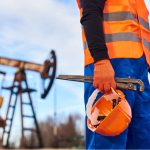
 Ensuring Worker Safety with High Quality Oil and Gas Gear
  How Trading Platforms Shape Your Forex Market Journey
  Experience Elegance: Top Boutique and Luxury Hotels in Phuket
  How do casual encounters promote independence?
  Brilliant Product Selection and Maintenance with the SRG Bearing Set
  How Hemp Balms Are Redefining Migraine Relief for a Stress-Driven Lifestyle
  Impact of Delhi Metro on Connectivity for DDA Flats Munirka Residents
  Maintenance Tips for Newly-installed Vinyl Plank Floors in Sarasota Homes
  New Panvel Parents Take Note: These State Board Schools Are Earning Top Marks!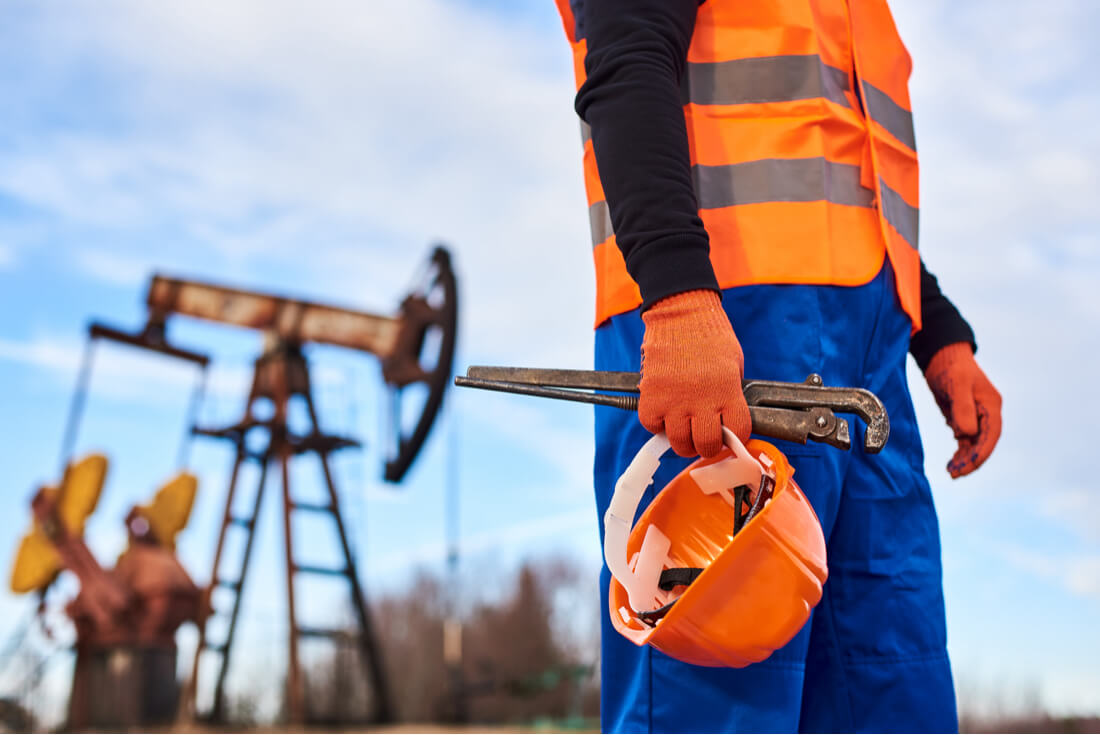
Work environments involving heavy operations demand attention to protection, awareness, and dependable equipment. Daily tasks involve pressure, motion, and exposure that place teams at risk when tools fail. Reliable oil and gas gear supports secure handling, steady performance, and reduced incident chances. Proper selection helps maintain a balance between productivity and safety goals. Materials, design quality, and regular evaluation combine to create safer work zones. When equipment meets strict standards, teams gain confidence and tasks proceed with fewer disruptions. Long-term safety planning depends on understanding how each component supports people working under demanding conditions.
Why does equipment quality affect safety?
High-grade equipment reduces sudden failures that cause injuries. Strong construction supports consistent operation during heavy use. Reliable tools lower stress on workers by preventing unexpected stops and mechanical faults that can create unsafe situations.
How does material choice protect workers?
Strong materials resist wear and cracking under pressure. When tools maintain shape and strength, risks from breakage decrease. Proper selection also limits heat buildup that may cause handling hazards during extended operation periods.
What practices improve daily safety
Consistent routines and clear guidelines support safe operation. Simple actions help maintain control and awareness.
- Check equipment condition before each task begins to identify visible damage or loose components early
- Use protective gear that matches operational needs to reduce injury risk during handling
- Follow approved handling steps to prevent sudden movement or imbalance during operation
- Keep work areas clear to avoid tripping or accidental contact with moving parts
- Report unusual sounds or movement immediately to prevent larger mechanical problems
Why is regular inspection necessary?
Frequent checks identify early signs of wear. Detecting issues early prevents sudden failures. Inspections also support better planning for repairs without interrupting ongoing operations or exposing teams to danger.
How does training improve equipment use?
Training helps workers understand limits and proper handling. Knowledge of equipment behavior reduces misuse. Skilled handling ensures tools perform as intended while lowering risk during demanding tasks.
Why does maintenance support long-term safety?
Routine care keeps components functioning correctly. Clean and serviced equipment responds better during use. Maintenance also extends service life while maintaining safe operating conditions.
How does proper storage reduce hazards?
Correct storage prevents damage from moisture or impact. Organized placement avoids accidental contact and preserves equipment condition. This reduces unexpected failures during future use.
A strong safety culture depends on reliable equipment, informed handling, and steady oversight. Each measure builds a secure environment where risks remain controlled, and productivity continues without disruption. Thoughtful selection, routine care, and proper use form a complete approach that protects both people and operations. When these practices align, performance improves while incidents decline, creating dependable results supported by oil and gas gear.