 Choosing a Medical Contract Manufacturer: Key Questions to Ask
  The Future of Multifamily Real Estate Investing: Trends for Investors
  How Commercial Cleaning Rates Influence Office Culture and Employee Morale
  A Few Popular Outdoor Kitchen Ideas for UK Gardens
  A Smart Planning Checklist for Investment Management in Philadelphia
  7 HVAC Concerns Residents in High Springs Should Address Early
  Ensuring Worker Safety with High Quality Oil and Gas Gear
  Experience Elegance: Top Boutique and Luxury Hotels in Phuket
  How do casual encounters promote independence?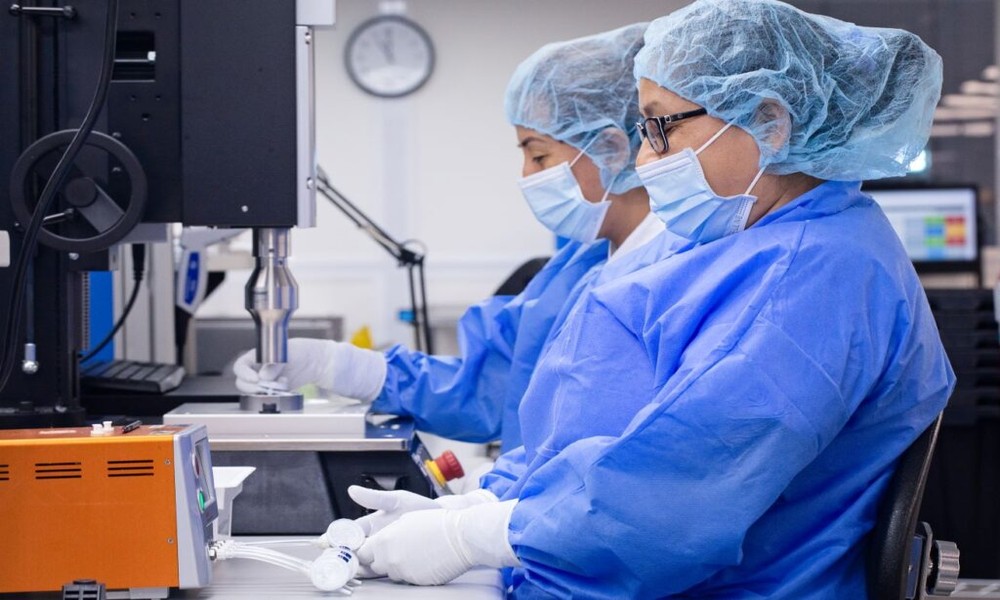
The choice of a Medical contract manufacturer represents more than a simple procurement decision; it marks the beginning of a relationship that will shape product quality, market timing, and ultimately the success or failure of medical device ventures in an increasingly competitive global marketplace. The questions asked during the selection process reveal much about both the medical brand seeking partnership and the manufacturing organizations vying for their business. These inquiries probe not just technical capabilities but the underlying economic structures, labour practices, and organizational cultures that determine whether a manufacturing relationship will endure through inevitable pressures. Understanding what to ask, and how to interpret the answers, separates successful partnerships from costly misalignments.
Regulatory Credentials and Market Access
The first line of questioning must address regulatory standing, for without proper certifications and registrations, technical excellence matters little. A medical device contract manufacturer operating in global markets should maintain credentials that span jurisdictions where your products will be sold:
- What regulatory registrations and certifications does your facility currently hold?
- How long have you maintained ISO 13485 certification, and can you provide recent audit reports?
- Do you hold FDA registration and have you successfully navigated FDA inspections?
- What experience do you have with EU Medical Device Regulation compliance?
- Can you support submissions to regulatory authorities in our target markets?
The answers reveal not just current status but historical commitment to quality systems. A manufacturer with decades of continuous certification demonstrates stability and institutional knowledge that newly certified facilities cannot match. Singapore’s Medical contract manufacturer sector has built reputation precisely through this kind of sustained regulatory compliance.
Production Capacity and Scalability
Manufacturing partnerships fail when capacity limitations become apparent only after commitments are made. The questioning around production capability must probe both current capacity and potential for growth. A contract manufacturing partner might have available capacity today but lack the infrastructure to scale production as your device gains market traction.
Ask directly about current utilization rates. A facility running at 95 per cent capacity has little room to absorb your production without displacing existing clients. Inquire about their approach to capacity expansion. Do they add equipment incrementally, or do they work in larger investment cycles that might not align with your timeline?
The labour dimension matters particularly in medical device manufacturing, where skilled workers cannot be hired and trained quickly. Ask about workforce stability and training programs. These questions get at the human infrastructure underlying technical capabilities.
Quality Systems and Process Control
Beyond certification, the actual functioning of quality systems determines manufacturing outcomes. Medical manufacturing partners may all claim robust quality management, but the substance varies dramatically:
- How do you handle non-conformances and corrective actions?
- What metrics do you track for process capability and yield rates?
- Can you provide examples of continuous improvement initiatives from the past year?
- How do you validate new processes and equipment?
- What is your approach to supplier qualification and incoming material inspection?
Request facility tours where you can observe quality practices in action. Watch how operators interact with work instructions, how in-process inspection occurs, whether statistical process control charts are visible on the production floor. These observable details reveal whether quality lives as organizational culture or exists merely as documented procedures.
Supply Chain Management and Material Sourcing
The resilience of medical device manufacturing depends heavily on supply chain robustness, a lesson reinforced by recent global disruptions. Questions about material sourcing reveal vulnerability to shortages:
- Do you maintain multiple qualified suppliers for critical materials?
- How do you manage supplier relationships and monitor supplier performance?
- What inventory levels do you maintain for raw materials?
- How quickly can you respond to supply chain disruptions?
Singapore’s Medical contract manufacturer facilities often maintain strategic inventory positions and supplier relationships across Asia and beyond, providing buffer against regional disruptions.
Cost Structure and Pricing Transparency
The economics of contract manufacturing involve more than quoted per-unit prices. Question the underlying cost structure:
- How do you structure pricing for development versus production quantities?
- What cost drivers most significantly impact pricing?
- How do you handle design changes after production launch?
- What minimum order quantities do you require?
Pricing opacity often signals trouble ahead. Manufacturers confident in their cost structures explain them clearly, distinguishing between fixed and variable costs, identifying where economies of scale provide advantage.
Communication and Project Management
Manufacturing partnerships succeed or fail based partly on communication effectiveness. Ask about their project management approaches, reporting cadence, and escalation procedures. Who will serve as your primary contact? How do they handle urgent issues outside normal business hours? What visibility will you have into production status?
The answers to these procedural questions reveal organizational maturity. Medical device manufacturers accustomed to demanding global clients have developed systematic communication approaches that prevent small miscommunications from compounding into major problems.
Labour Practices and Organizational Stability
Though rarely asked directly, questions about workforce management illuminate organizational health. High turnover rates signal deeper problems. Ask about employee tenure in key roles, training investment, and advancement opportunities. These factors affect manufacturing consistency more than equipment specifications alone.
Management stability matters equally. Frequent leadership changes often herald strategic uncertainty that eventually impacts manufacturing relationships. Understanding ownership structure and management continuity provides context for assessing long-term partnership viability.
Building Informed Partnerships
The questions posed during manufacturer selection reflect deeper investigation into the economic, organizational, and human factors that determine manufacturing success. Selecting a Medical contract manufacturer based on comprehensive questioning rather than superficial presentations protects against partnerships that appear promising initially but prove inadequate under production stresses, making thorough inquiry essential to choosing a Medical contract manufacturer.